New to Ashtanga yoga? Here’s what you need to know.
Ashtanga is the original form of vinyasa yoga—synchronizing breath with movement through a set sequence of postures.
The practice is built on three elements: breath, posture, and focused gaze. Together, these create a moving meditation that cultivates inner peace and self-awareness. More than just a workout, Ashtanga integrates the eight limbs of yoga as a complete lifestyle practice, developing strength, flexibility, and mental clarity while fostering a sustainable practice you can maintain for life.
Ashtanga meets you where you are and adapts to your needs. It builds physical strength and flexibility while improving focus and cultivating emotional resilience. The practice acts as a mirror—the repetition reveals patterns, challenges beliefs, and offers genuine self-discovery. The depth you explore is entirely up to you.
Class Formats
Mysore Style
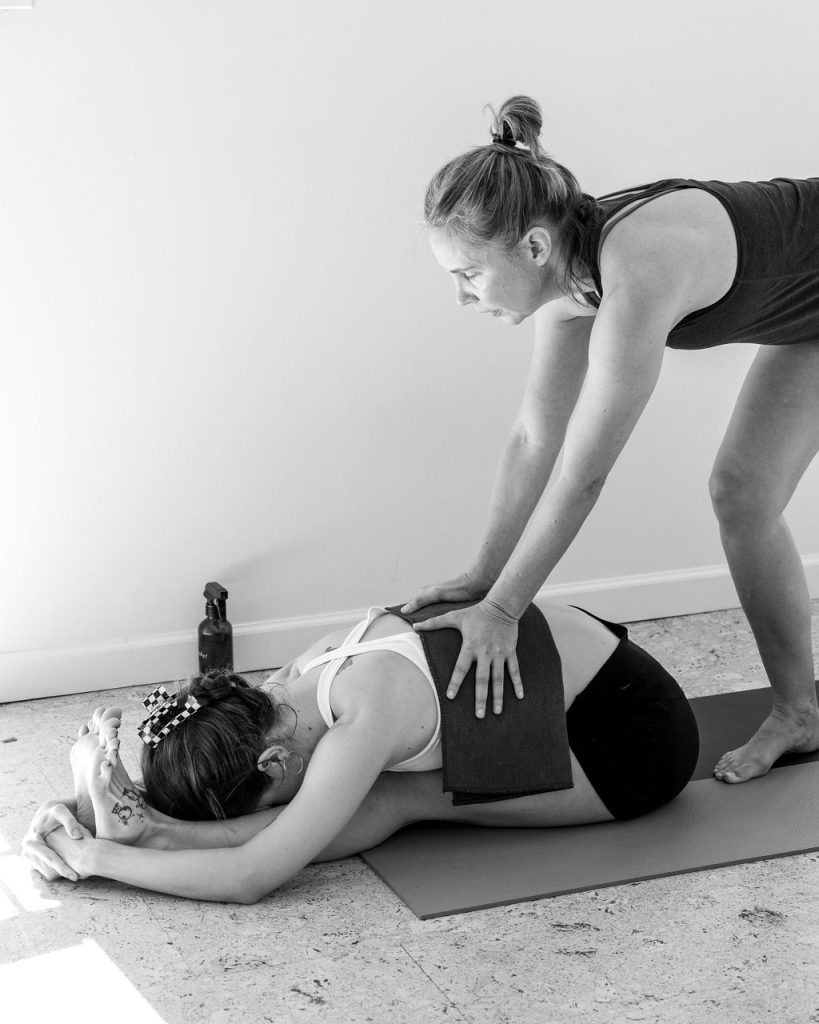
Mysore is the traditional way to learn Ashtanga, named after Mysore, India. Everyone starts with the Primary Series, learning one pose at a time with one-on-one instruction from the teacher. You practice at your own pace, and new poses are added as you’re ready for them.
Perfect for complete beginners and experienced practitioners. You build your practice step-by-step, developing strength, autonomy, and focus as you slowly memorize the sequence — supported by the teacher and the community practicing alongside you.
You don’t need to be flexible or know the sequence. Just show up, and we’ll take it from there.
Led Primary
(or Half Primary)
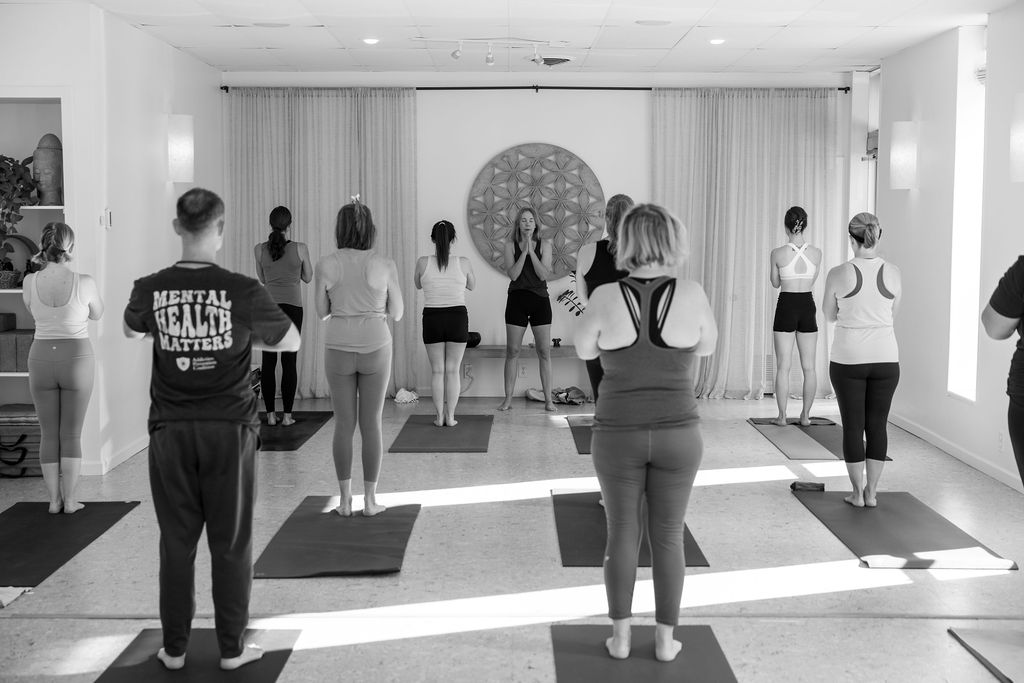
The guided version of the Ashtanga Primary Series (or half). The teacher calls out each posture and breath count, and everyone moves together. Great for learning the count, pace, and flow of the full practice.
You don’t need to be advanced—just bring your best effort and do what you can.
Note: This is a vigorous practice best suited for those who can get up and down from the floor unassisted.
Ashtanga 101
A periodic workshop introducing the fundamentals of Ashtanga yoga — perfect for beginners, those new to the practice, returning after a break, or anyone who wants a slower, guided intro. You’ll move through Sun Salutations, basic standing postures, a few seated postures, and closing postures, with pace and modifications adapted to the group. You don’t need any experience. Just come as you are.
FAQs
What to bring/wear?
Wear comfortable clothes you can move in
Bring a yoga mat (or borrow one from us)
I’m not flexible. Can I still practice?
Absolutely! Increased flexibility is one of the benefits of regular practice. More mobility can lead to less pain and often makes everyday movement more comfortable.
Do I need to know the sequence before arriving?
Not at all! We will teach you everything you need to know from the very beginning.
What to expect in mysore
Your teacher will greet you when you arrive, show you where to set up, and walk you through what to expect. There’s no need to come with experience — the first weeks focus on the foundations, and you can expect a shorter practice while you’re learning. Plan to stay 45 minutes to an hour.
You’ll start with Sun Salutations and a few standing postures, working one-on-one with your instructor. You’ll finish with three seated postures and rest, and your teacher will be available afterward for any questions.
Why are mysore classes so long?
Mysore is an open practice time, meaning each student can arrive and leave as needed within the scheduled hours. Practice times vary from 45 to 90 minutes. New students typically spend about an hour.
Arrival Time:
Sunday: arrive between 9–10am, class ends at 11am.
Weekdays: arrive between 6–8am, class ends at 9am.
What happens next?
Each time you return, you’ll review what you’ve learned and slowly add new postures as you’re ready. This personalized approach lets you gradually build strength, flexibility, and confidence — and develop an independent, meditative practice over time.
Ready to Start? We Recommend
- Mysore – Build your personal practice with one-on-one guidance. Mysore method is the foundation of our practice.
- Ashtanga 101 – Learn the fundamentals in a workshop setting. Offered quarterly.
Can’t make mornings? Our Ashtanga-based evening classes are great with some experience, but beginners are always welcome.